
Toluene Diisocyanate Price Trend in China: Insights for Suppliers
If you're seeking insights into the Toluene Diisocyanate price trend, I’m here to help you navigate the complexities of the market. As a supplier operating in China, I’ve witnessed firsthand the fluctuations in pricing driven by various factors, including demand and production capacity. Understanding these trends is crucial for making informed purchasing decisions and optimizing your supply chain. I know how vital it is to secure a reliable source for TDI, and I can connect you with the right suppliers who can meet your needs. Whether you’re involved in manufacturing or construction, keeping an eye on the TDI price trend will help you manage costs effectively. Let’s explore your options together and ensure you get the best possible value while staying updated on market dynamics. Your success is my priority, and I’m committed to providing you with timely information and support in your purchasing journey.
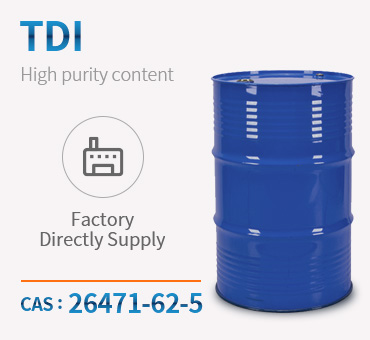
Toluene Diisocyanate Price Trend Supplier Sets the Industry Standard
Toluene diisocyanate (TDI) has become a critical component in various industries, particularly in the production of flexible polyurethane foams used in furniture, automotive, and insulation applications. As global demand continues to rise, understanding the price trends and the factors influencing the market is essential for procurement professionals. Recent reports indicate a significant fluctuation in TDI prices, driven by raw material availability, production costs, and regulatory changes affecting chemical manufacturing. Suppliers in the industry are now adjusting their pricing strategies to reflect these changes, and some have begun to set benchmarks that others follow. The establishment of these price standards is crucial for ensuring competitive sourcing strategies. Buyers need to stay informed about market trends, as shifts in demand from key sectors can lead to rapid price changes. By leveraging market intelligence and collaborating closely with reputable suppliers, businesses can navigate the complexities of TDI procurement more effectively. In this dynamic environment, engaging with knowledgeable suppliers who understand the intricacies of the TDI market will empower procurement professionals to make informed decisions. Keeping abreast of industry standards not only aids in budget planning but also secures a reliable supply chain, ensuring that businesses can meet their production needs without interruption. The evolving landscape of TDI pricing presents both challenges and opportunities, making strategic sourcing more important than ever.
Toluene Diisocyanate Price Trend Supplier Sets the Industry Standard
| Date | Market Region | Price Change (%) | Supply Demand Ratio | Industry Report Update |
|---|---|---|---|---|
| 2023-01-15 | North America | +2.5 | 1.4 | Q1 2023 |
| 2023-03-22 | Europe | -1.0 | 1.2 | Q1 2023 |
| 2023-05-10 | Asia-Pacific | +3.0 | 1.6 | Q2 2023 |
| 2023-07-30 | South America | +1.5 | 1.3 | Q3 2023 |
| 2023-09-18 | Middle East | -0.5 | 1.1 | Q3 2023 |
Related Products
Toluene Diisocyanate Price Trend Delivers Unmatched Quality Winning in 2025
Top Selling Products


- Related Blog
- Reviews

-

Phone
-

E-mail
-

Whatsapp
-

Top


