
Phenolic Resin Vs Epoxy Resin: Top Suppliers in China Explained
When it comes to choosing the right resin for your project, you might be wondering about Phenolic Resin Vs Epoxy Resin. I’ve explored both options, and each has its strengths. Phenolic resin offers exceptional thermal resistance and great mechanical properties, making it ideal for high-heat applications. On the other hand, epoxy resin provides superior adhesion and chemical resistance, which makes it perfect for a variety of industrial applications. As a supplier based in China, I make it my mission to provide high-quality resins that meet the unique needs of B2B purchasers. Whether you're in construction, automotive, or electronics, understanding the differences between these two resins can greatly influence your project's success. Feel free to reach out for samples or further information. Let’s find the right solution together!
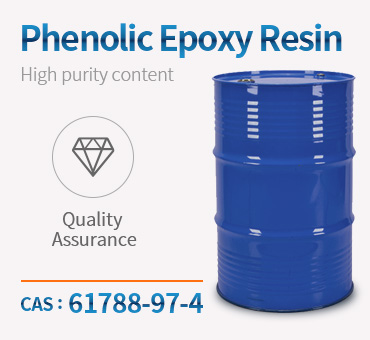
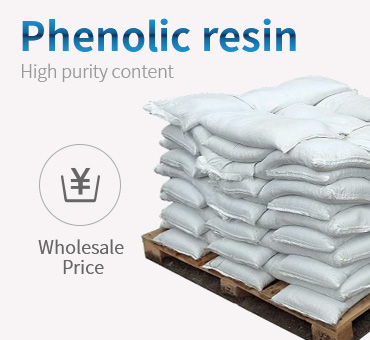
Phenolic Resin Vs Epoxy Resin Manufacturer Supplies the World\u2019s Top Brands
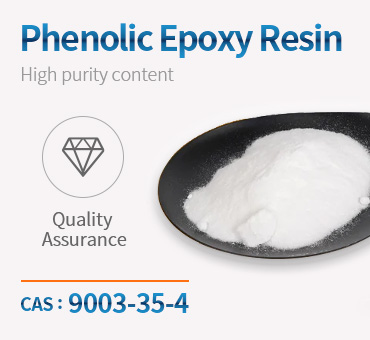
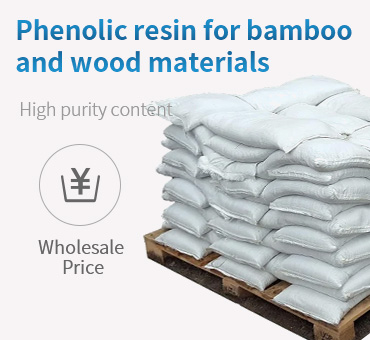
In the realm of advanced materials, the choice between phenolic resin and epoxy resin is crucial for manufacturers seeking reliability and performance. Each type of resin serves distinct purposes and offers unique properties. Phenolic resin is renowned for its exceptional thermal stability and resistance to chemicals, making it ideal for high-temperature applications and environments that demand durability. It is often used in the automotive and aerospace industries, where stringent safety standards are paramount. On the other hand, epoxy resin is celebrated for its strong adhesion, versatility, and excellent electrical insulation properties. This makes it a preferred choice in construction, electronics, and even art. Epoxy resin cures to a hard finish, providing a waterproof barrier that enhances the longevity of products. As industries continue to evolve, the demand for high-quality resin-based materials will only increase, pushing manufacturers to enhance their supply chains and innovate their offerings rapidly. Our focus is on supplying top-tier resins that meet the diverse needs of global buyers. By staying ahead of industry trends and technological advances, we ensure a steady supply of both phenolic and epoxy resins tailored for various applications. Whether establishing new partnerships or expanding existing ones, the commitment to quality and customer satisfaction remains our top priority, helping brands succeed in an increasingly competitive market.
Phenolic Resin Vs Epoxy Resin: Manufacturer Supplies the World’s Top Brands
| Resin Type | Key Properties | Typical Applications | Manufacturing Process | Environment Impact |
|---|---|---|---|---|
| Phenolic Resin | High thermal stability, excellent electrical insulation | Circuit boards, automotive parts, adhesives | Polymerization, heat curing | Low VOC emissions, recyclable |
| Epoxy Resin | Strong adhesion, corrosion and chemical resistance | Coatings, adhesives, composite materials | Curing agent addition, heat treatment | Moderate VOC emissions, some formulations biodegradable |
| Comparative Cost | Generally lower than epoxy | Used in price-sensitive applications | Mass-produced, simpler processes | Comparatively lower environmental footprint |
Related Products

Phenolic Resin Vs Epoxy Resin Stands Out Global Reach
Top Selling Products

- Related Blog
- Reviews

-

Phone
-

E-mail
-

Whatsapp
-

Top


