

Top China Supplier of Glacial Acetic Acid Chemical Raw Materials
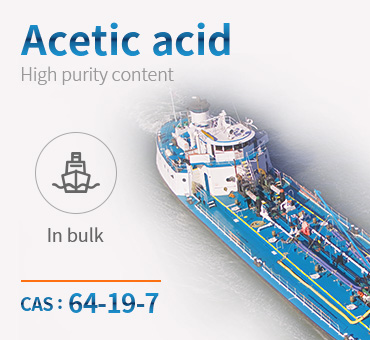
Glacial acetic acid is one of the essential chemical raw materials that I rely on for various manufacturing processes. Sourced from trusted suppliers in China, this highly concentrated acetic acid offers exceptional purity and quality, making it perfect for industries like textiles, plastics, and food production. I appreciate that glacial acetic acid not only serves as a key ingredient but also enhances the performance of many products I work with. When collaborating with suppliers, I always prioritize reliability and consistency in quality. China has proven to be a major hub for top-notch glacial acetic acid, and I value the competitive pricing and timely delivery that come with partnering with reputable manufacturers. Whether I’m scaling up production or seeking specific formulations, having access to high-grade glacial acetic acid from trusted sources is crucial for my business success. Let’s connect for a discussion on how we can meet your specific needs today.
Glacial Acetic Acid Chemical Raw Materials Stands Out in 2025
In 2025, glacial acetic acid continues to be at the forefront of chemical raw materials, captivating global procurement managers with its versatility and essential applications across various industries. This colorless liquid, known for its pungent odor, plays a crucial role in the production of numerous chemicals, including synthetic fibers, plastics, and food preservatives. The expanding demand for eco-friendly and sustainable products has further amplified the significance of glacial acetic acid, as it is increasingly favored for its biodegradable properties and minimal environmental impact compared to alternative substances. As the market evolves, suppliers of glacial acetic acid are adapting to meet the diverse needs of their customers. Innovations in manufacturing processes and sustainability initiatives are leading to higher purity grades and reduced production costs, making it a more attractive option for purchasers worldwide. Moreover, the trend toward circular economy practices encourages the utilization of glacial acetic acid in recycling processes, contributing to reduced waste and enhanced resource efficiency. For procurement professionals, staying ahead in this dynamic landscape means considering not only the quality and price of glacial acetic acid but also the supplier's commitment to sustainability and innovation. The global market for glacial acetic acid is projected to witness steady growth, driven by increasing applications in pharmaceuticals, textiles, and food industries. As companies strive to adapt to changing market conditions and consumer preferences, glacial acetic acid will undoubtedly remain a prominent ingredient in their sourcing strategies. Engaging with suppliers who demonstrate a robust understanding of these market dynamics and a commitment to sustainable practices will be key for businesses looking to thrive in 2025 and beyond.
Glacial Acetic Acid Chemical Raw Materials Stands Out in 2025
| Chemical Properties | Applications | Projected Growth (%) | Key Market Regions |
|---|---|---|---|
| Purity: ≥ 99% | Synthetic fibers, Plastics | 4.5% | North America, Asia-Pacific |
| Density: 1.049 g/cm³ | Food industry, Pharmaceuticals | 5.2% | Europe, Latin America |
| Boiling Point: 118 °C | Cosmetics, Agricultural chemicals | 3.8% | Middle East, Africa |
Related Products


Glacial Acetic Acid Chemical Raw Materials Market Leader Your End-to-End Solution
Top Selling Products
- Related Blog
- Reviews

-

Phone
-

E-mail
-

Whatsapp
-

Top


