
Epoxy Resin Vs Phenolic Resin: A Guide for China Suppliers
When considering the right resin for your application, the differences between epoxy resin and phenolic resin can be significant. I’ve seen firsthand how epoxy resin offers superior adhesion and flexibility, making it ideal for high-stress environments. On the other hand, phenolic resin stands out in its heat resistance and durability, perfect for industrial settings where temperature extremes are a factor. Sourcing these resins from a reliable supplier in China can save you both time and money. With various formulations and grades available, I can help guide you through the selection process based on your specific needs. Whether you're producing components for electronics or creating durable coatings, understanding these material properties is crucial for your business. Let’s connect to ensure you choose the right resin for your projects and get the best supplier options from China!
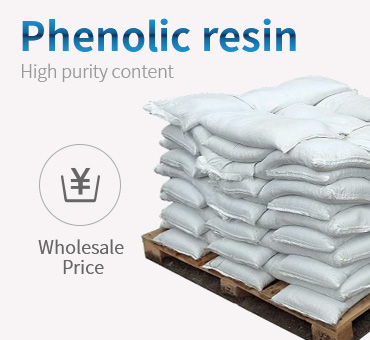
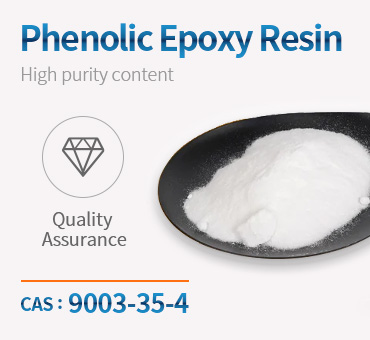
Epoxy Resin Vs Phenolic Resin Application Service
When it comes to industrial applications, choosing the right type of resin can significantly impact product performance and longevity. Among the various resins available, epoxy and phenolic resins stand out for their distinct properties and uses. Epoxy resins are known for their exceptional adhesion, chemical resistance, and durability, making them ideal for applications ranging from coatings to adhesives and composites. Their versatility allows them to be utilized in various industries, including automotive, aerospace, and construction. On the other hand, phenolic resins excel in high-temperature applications and provide excellent thermal stability and fire resistance. These characteristics make them suitable for manufacturing electrical components, moldings, and laminates. The choice between epoxy and phenolic resins largely depends on the specific requirements of the application, such as temperature tolerance, chemical exposure, and required strength. Understanding these differences can help global buyers make informed decisions when sourcing materials. Evaluating the specific needs of your project against the properties of each resin type will ensure optimal performance and efficiency. Whether you are looking to enhance product durability or improve thermal resistance, a detailed assessment of your application’s requirements will guide you in selecting the most appropriate resin for your needs.
Epoxy Resin Vs Phenolic Resin Application Service
| Property | Epoxy Resin | Phenolic Resin |
|---|---|---|
| Thermal Resistance | Up to 150°C | Up to 200°C |
| Chemical Resistance | Excellent | Good |
| Curing Time | Fast (1-24 hours) | Moderate (24-48 hours) |
| Applications | Coatings, adhesives, and composites | Electrical insulators, laminates, and binders |
| Flexibility | Moderate | Rigid |
| Cost | Moderate | Lower |
Related Products

Epoxy Resin Vs Phenolic Resin Products Supplies the World\u2019s Top Brands
Top Selling Products
- Related Blog
- Reviews

-

Phone
-

E-mail
-

Whatsapp
-

Top


