

Top China Supplier of Engineering Plastics Chemical Raw Materials
As a trusted supplier of engineering plastics chemical raw materials in China, I understand the unique demands of your projects. Our range of high-quality materials is designed to enhance performance and durability in various applications—from automotive components to consumer electronics. I know how critical it is for B2B purchasers like you to find reliable suppliers who deliver consistent quality and competitive pricing. Our engineering plastics are engineered for excellence, offering superb resistance to heat, chemicals, and wear. I am here to ensure you find exactly what you need, with the flexibility to accommodate different order sizes. Plus, with our efficient logistics, you can count on timely deliveries that meet your production schedules. Partner with me to elevate your product performance and gain a competitive edge in the market. Let’s connect and discuss how we can support your specific requirements and achieve mutual success.

Engineering Plastics Chemical Raw Materials Service For the Current Year
In the ever-evolving landscape of engineering plastics, the demand for high-quality chemical raw materials continues to rise as industries seek solutions that enhance performance and sustainability. This year presents a unique opportunity for global buyers to tap into the latest offerings that not only meet stringent quality standards but also address environmental concerns. With innovations in material science, companies are now able to provide a diverse range of engineering plastics that cater to various applications—from automotive to electronics and consumer goods. Sourcing engineering plastics can seem daunting, especially when navigating a global marketplace filled with numerous suppliers. However, focusing on suppliers that prioritize quality assurance, reliability, and technical expertise can streamline the procurement process. This year, the focus is on materials that offer enhanced durability, lightweight properties, and improved thermal stability, which are critical factors for manufacturers looking to optimize their production processes and final products. As the industry continues to innovate, buyers can benefit by forming strategic partnerships with suppliers who understand their specific needs and can provide tailored solutions. Collaborating with knowledgeable partners in the engineering plastics sector can lead to significant cost savings and improved product performance, making it an essential strategy for businesses aiming to remain competitive in the global market.
Engineering Plastics Chemical Raw Materials Service For the Current Year
| Material Type | Chemical Formula | Applications | Properties | Safety Information |
|---|---|---|---|---|
| Polycarbonate | (C15H16O3)n | Optical discs, safety glasses | High impact resistance, transparent | Considered safe for materials in contact with food |
| Nylon | (C12H22N2O2)n | Clothing, ropes, gears | Durable, elastic, resistant to abrasion | May cause allergic reactions in some individuals |
| Acrylic | (C5H8O2)n | Signs, displays, lenses | Lightweight, weather-resistant, UV resistant | Non-toxic, but can cause skin irritation |
| Polyoxymethylene (POM) | (C3H6O)n | Precision parts, automotive components | High stiffness, low friction, excellent dimensional stability | Generally safe with proper handling |
| Polystyrene | (C8H8)n | Packaging, disposable cutlery | Brittle, good thermal insulation | Not suitable for food storage; may leach harmful chemicals |
Related Products

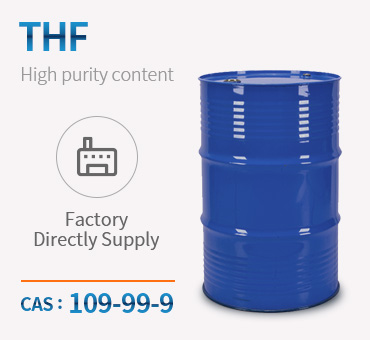
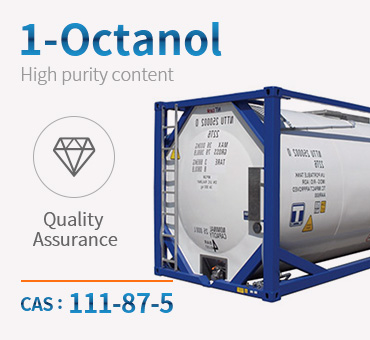

Engineering Plastics Chemical Raw Materials Now Trending Leads the Global Market
Top Selling Products
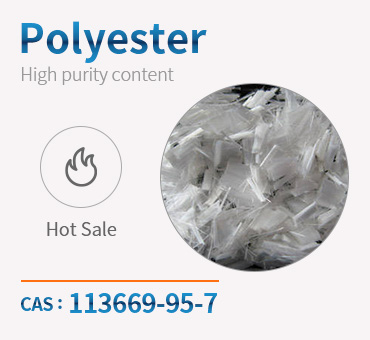
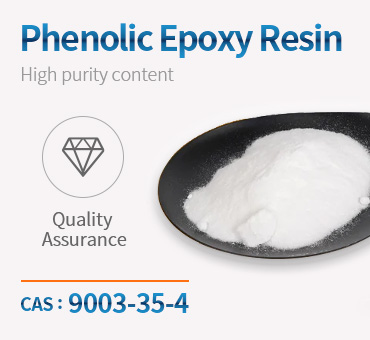
- Related Blog
- Reviews

-

Phone
-

E-mail
-

Whatsapp
-

Top


