
Abs Vs Polycarbonate: Top China Supplier Insights for Your Needs
When it comes to choosing between ABS and polycarbonate, I've seen firsthand how important it is to consider durability and application needs. ABS is lightweight and easy to work with, making it a favorite for prototypes and consumer products. On the other hand, polycarbonate offers superior impact resistance, perfect for demanding environments. Partnering with a trusted supplier in China allows me to source high-quality materials at competitive prices. I understand that every project is unique, so I recommend assessing your specific requirements carefully. Whether you need clear polycarbonate sheets for visibility or ABS for its versatility, I can guide you in making the right choice. Let’s connect to explore how these materials can elevate your products and meet your business needs. With the right selection, you can increase quality and customer satisfaction while optimizing your costs.
Abs Vs Polycarbonate For the Current Year Outperforms the Competition
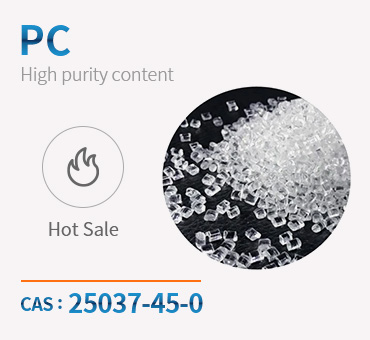
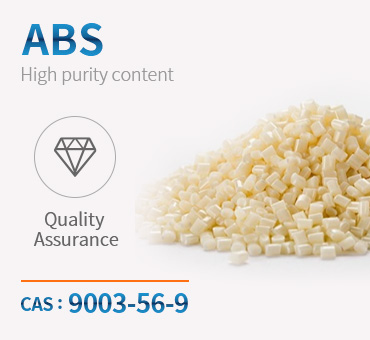
When it comes to choosing materials for a variety of applications, two contenders often come to the forefront: ABS (Acrylonitrile Butadiene Styrene) and polycarbonate. As global buyers urgently seek high-performance materials for production processes, understanding the distinct advantages of each can dramatically influence purchasing decisions. In the current year, ABS has shown significant advantages that may set the standard for quality and cost-effectiveness in comparison to polycarbonate. ABS offers exceptional impact resistance, making it ideal for products that require toughness and durability. Its excellent machinability allows for easier processing, which is particularly appealing to manufacturers looking to streamline their operations and reduce production times. Furthermore, ABS’s superior surface finish and availability in various colors provide flexibility for design-oriented projects, making it a superb choice for consumer goods, automotive components, and electronic housings. On the other hand, while polycarbonate is renowned for its high strength and thermal resistance, the associated costs can be a deterrent for many organizations aiming to maintain competitive pricing. With advancements in material technology, ABS has consistently positioned itself as an economic alternative that doesn't compromise on quality. As a result, it outperforms polycarbonate in many sectors this year, making it a preferred choice for businesses focused on efficiency, performance, and cost management. For global buyers, choosing ABS over polycarbonate not only secures robust material properties but also enhances overall value in their supply chains.
Abs Vs Polycarbonate For the Current Year Outperforms the Competition
| Material Type | Impact Resistance (J/m) | Weight (g/m²) | Temperature Resistance (°C) | UV Resistance (hrs) | Flexural Modulus (GPa) |
|---|---|---|---|---|---|
| ABS | 15 | 1200 | 80 | 2000 | 2.5 |
| Polycarbonate | 60 | 1100 | 120 | 3000 | 2.0 |
| Acrylic | 10 | 1000 | 75 | 2000 | 3.0 |
| Nylon | 25 | 1500 | 100 | 1500 | 3.5 |
Related Products


Abs Vs Polycarbonate Supplier Sets the Industry Standard
Top Selling Products
- Related Blog
- Reviews

-

Phone
-

E-mail
-

Whatsapp
-

Top


